





The Underlying Reasons for the Yen's Ongoing Struggles


The Japanese yen (JPY) has been on a rough ride, struggling under the weight of multiple factors, both from home and abroad. This article delves into these challenges and what lies ahead for Japan's currency.
One key reason behind the yen's weakness is the stance of Japan's central bank, the Bank of Japan (BoJ). The BoJ has been maintaining low interest rates to boost the economy. Lower interest rates often lead to a weaker currency, and this has been the case with the yen.
In the meantime, the Nikkei, Japan's major stock market, has been doing well. Ironically, a strong stock market can sometimes weaken a country's currency. This happens when investors sell off their low-interest currency (like the yen) to buy assets (like stocks) that could give higher returns.
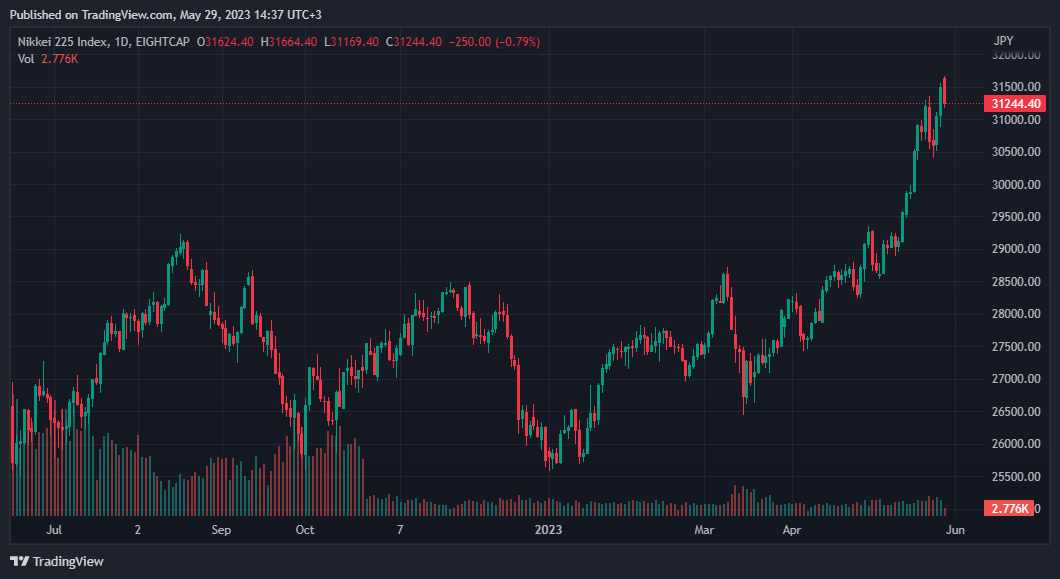
Moving to global factors, China's economy has been recovering at a steady pace, focusing more on services and consumption, rather than investment. This change has indirectly put more pressure on the yen.
In the US, worries about regional banking have lessened, which is good news for investors. This, coupled with a positive outlook on the US debt ceiling negotiations, has also played a role in weakening the yen. Furthermore, the US economy has shown a lot of resilience even as the Federal Reserve has increased interest rates, which has added more downward pressure on the yen.
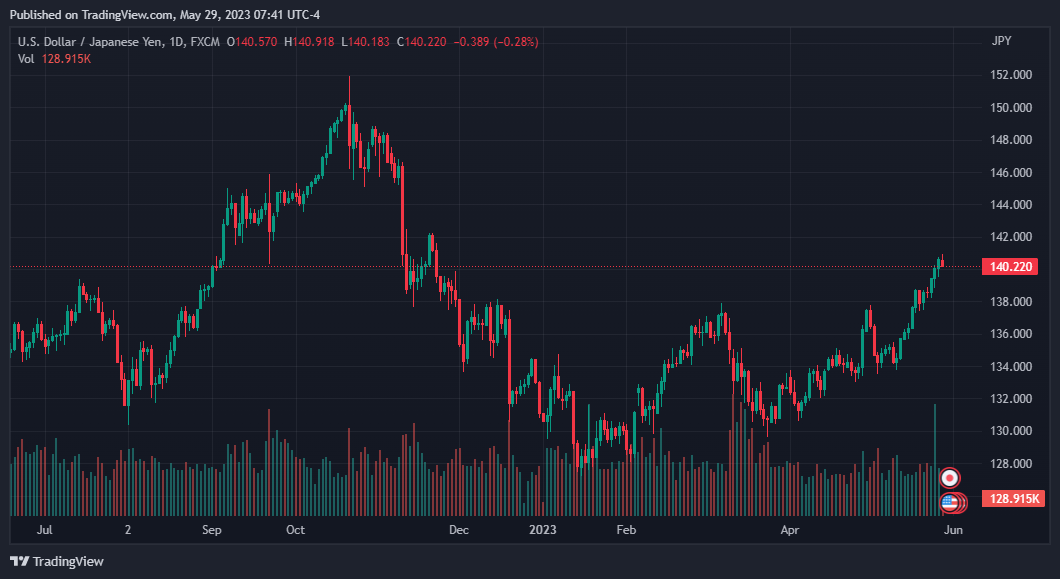
Going forward, the yen is likely to continue facing these pressures. While the BoJ is expected to maintain its low-interest rate stance and the Nikkei is likely to remain strong, China's economy will continue to play a role. The way the BoJ meetings play out could also affect the value of the yen against the US dollar.
If the US hits its peak interest rate and falls into recession, this could affect the yen. While most investors anticipate a resolution to the US debt ceiling issue, the market has already taken this into account in the yen's current value. However, if US lawmakers delay in resolving the debt ceiling issue, this could hit the yen hard. The continued high interest rates in the US could also spell trouble for regional banks, potentially increasing demand for the yen as a safe investment.
Even with these complex factors, the yen's weakness during Q2 of 2023 was more than expected. This shows just how interconnected currency values are with both domestic and international economic conditions.


Global Markets React to Central Bank Decisions and Policy Outlooks

Fed cuts rates but stock rebound falters as AI jitters return

Yearly Technical Outlook – EURUSD, GBPUSD, US100

GBP/USD Approaches Local High, Bolstered by BoE Stance

The dollar delivered a dovish surprise

EBC Markets Briefing | Oil up on US-Venezuela tensions; silver hit record peak

Bitcoin attempts to break the short uptrend